 Aus Designed & Owned. Aus Designed & Owned. Aus Designed & Owned. Aus Designed & Owned. Aus Designed & Owned. Aus Designed & Owned. Aus Designed & Owned. Aus Designed & Owned. Aus Designed & Owned. Aus Designed & Owned. Aus Designed & Owned. Aus Designed & Owned. Aus Designed & Owned. Aus Designed & Owned.
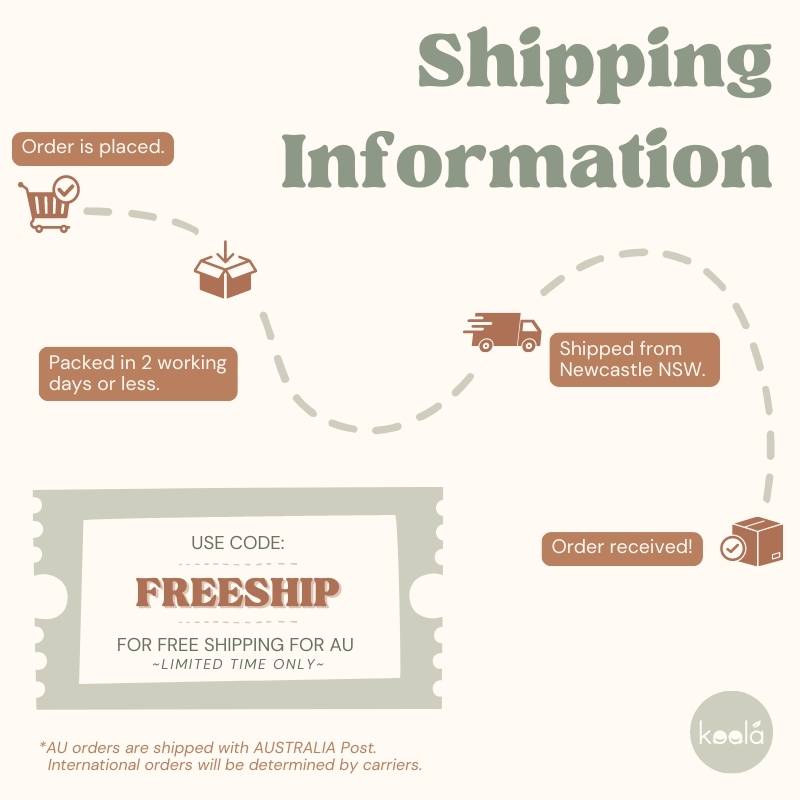
Free Standard Shipping Australia Wide on All Orders TODAY.
Our customizable routine charts help get kids engaged and motivated to complete tasks independently.
Helps kids with their daily routine with our engaging flip chart visual schedules.

Personalize with your child’s name & photo using our loaded editor tool.

Print at home or at a local shop and reuse for years by laminating.

Supports transitions, independence & self-regulation.
1. Purchase
2. Download PDF files through the confirmation Email, or at the Thank you Page after purchase.
3. Login to the Editor.
4. Personalize your Child’s Routine Chart and Picture Cards.
5. Print/Use!
🌙 Kids Sleep Star Reward Chart (Editable)✨ PERSONALISE ME: Sleep Reward Chart Printable – Add Your Child’s Name + Photo & More!
Helps kids stay in bed, sleep through the night and build positive bedtime routines with a sleep reward motivator.
Designed by a Specialist Behaviour Teacher | Printable PDF | Customisable | Reusable | 1 Year Editor Access Print Unlimited Custom Charts.
If bedtime battles, early wake-ups or middle-of-the-night visits are wearing you down, it might be time to try building a custom reward system for your child. This Sleep Reward Chart is a gentle and effective way to motivate your child using a motivator (they choose and negotiate the reward with you). You plan for small steps that are acheivable that lead them to mastery. For example if your child is currently not willing to sleep in their bed at all – you tell them they will recieve a star each day if they lay in bed for 2 hours while you sit with them in the room. This can seem silly to us, but to them it is a step out of their comfort zone.
As they experience success you gradually increase the time. Then descrease the support. Adjusting the plan with the child in as small or large incriments as you feel will not jeparize their success in reaching that smaller goal. Children stay motivated when they can see their progress and when they get a taste for success they want more. This visual reward chart although it seems simple can transform bedtime into something they no longer battle against.
Once children experience success several times in a row it is what we call mastery. After they master a level you can take them to the next level up. Eventually when they have mastered the end goal (sleeping in bed all night only waking to go to the toilet and getting a drink etc) then you can continue to reward them for as long as you like and eventually they will not need any motivators/rewards. Also note: if the reward is not appealing enough to the child they will have no interest in participating!
This editable sleep chart gives your child a sense of control and confidence, helping them settle faster, stay in bed longer and in time will wake up feeling proud.
Use our reward chart for sleep in conjunction with our editable bedtime routine visual schedule for even greater results. Infant and toddler sleep can be challenging for many new parents, and there are many factors that impact how well a child sleeps. Areas that play an important role in infants sleep are their routine, health and development- as well as optimising their sleep environment. It is easy to overlook one or more of these areas and this is why so many new parents find baby sleep to be the hardest part of early parenthood. Explore our sleep toy and red night light for additional sleep support and our Australian animal wall decal stickers for enhancing their bedroom/sleep environment.
⭐ WHY PARENTS LOVE OUR STAR CHARTS
This sleep chart is perfect for families managing:
📦 WHAT YOU GET
🛠️ HOW TO USE
🔐 HOME USE ONLY
This listing includes a personal-use license. For classroom, clinic or professional use, please obtain our Professional License (see listing below).
🖨️ PRINTING TIPS
⚠️ PLEASE NOTE
🧡 DESIGNED WITH CARE
Created by a Special Educator, mum and founder of Koola, this chart reflects our commitment to supporting children (including neurodivergent kids), building healthy habits, and making parenting just a little easier.
Thank you for supporting a small Australian family business!
Toddler Sleep, Bedtime Routines & Visual Reward Charts
Combine our sleep reward chart with our bedtime visual schedules for the ultimate reward system.
1. What is a sleep chart and how does it help toddlers sleep better?
A sleep chart is a visual reward system that helps toddlers understand bedtime expectations and stay motivated to stay in bed. According to Mayo Clinic, predictable routines and clear expectations help reduce bedtime resistance and night waking. A sleep chart makes these expectations visible, helping children follow a routine and earn rewards for staying in bed all night.
2. Can a reward chart really help my toddler stay in their bed all night?
Yes — reward charts use positive reinforcement, which is one of the most effective behaviour strategies for young children. According to Raising Children Network (Australia’s government-supported parenting resource), toddlers respond best to clear goals, visual reminders and consistent praise. A sleep reward chart combines all three, making it easier for children to stay in bed longer and reduce overnight visits.
3. What age is this Kids Sleep Star Chart suitable for?
This sleep chart works well for toddlers, preschoolers and young school-aged children (around 2–8 years), especially those who:
• get out of bed repeatedly
• wake frequently and seek comfort
• resist bedtime
• need visual structure
• have anxiety about bedtime
• benefit from routine support
According to the American Academy of Sleep Medicine, toddlers need structure and predictable sleep cues to settle and stay asleep.
4. Will a sleep chart help with bedtime battles and tantrums?
Yes — many bedtime battles come from children not knowing what comes next, feeling overstimulated, or testing boundaries at the end of the day. According to the CDC, predictable bedtime routines reduce tantrums by helping children feel secure and prepared. A visual chart shows children the “steps,” helping prevent power struggles because the chart becomes the “boss,” not the parent.
5. How does this sleep chart help with toddler bedtime anxiety?
Children often feel more calm when they can see their routine. According to the Child Mind Institute, visual schedules reduce anxiety because they give children a sense of control and predictability. The Sleep Star Chart helps children know exactly what is expected — and what they will achieve — which builds confidence and reduces bedtime fear.
6. What should I include in my toddler’s bedtime routine?
A healthy routine usually includes:
• bath or shower
• brushing teeth
• pyjamas
• quiet play or books
• cuddles and connection + Lullaby
• lights off
• staying in bed until morning
According to Mayo Clinic, a consistent bedtime routine helps children fall asleep faster and stay asleep longer. Your sleep chart reinforces these steps visually.
7. What do I do if my toddler keeps getting out of bed?
A sleep chart helps by giving your child something to work toward. According to pediatric sleep specialists, children are more likely to stay in bed when:
• the expectation is visually displayed
• the reward is immediate (like a sticker or star)
• parents stay calm and consistent
Each time your child stays in bed, they earn a star — which builds motivation for the next night.
8. Can this sleep chart help with early waking?
Yes — early rising is often caused by inconsistent routines or lack of motivation to stay in bed. According to Sleep Foundation, visual cues and behavioural reinforcement help extend sleep windows in young children. Many families use the chart to reward “staying in bed until the sun comes up” or until the agreed wake time.
9. Is this sleep chart helpful for children with Autism or ADHD?
Absolutely. According to Autism.org, children with Autism benefit significantly from visual schedules, predictable steps, and clear reward systems. The Sleep Star Chart offers:
• visual structure
• simple nightly expectations
• consistency
• reduced verbal demands
This helps children understand bedtime and stay in bed more easily.
10. Can I use a reward chart for sleep training?
Yes — reward charts are often recommended for gentle sleep training where the focus is on positive behaviour rather than punishment. According to child behaviour experts, positive reinforcement is more effective than consequences in shaping sleep habits. This makes the Sleep Star Chart ideal for gentle, respectful and supportive sleep training methods.
11. What rewards work best for toddlers at bedtime?
Small and immediate rewards work best, such as:
• stickers or stars
• morning cuddle time
• choosing breakfast
• choosing bedtime stories
• special playtime
According to child behaviour research, rewards do not need to be expensive — toddlers thrive on praise and recognition.
12. What if my toddler doesn’t earn a star?
Stay positive. According to leading child psychologists, focusing on encouragement rather than consequences leads to faster behaviour change. If your child struggles one night, reassure them that they can try again tomorrow. Consistency is key, not perfection.
13. How long does it take to see results?
Most families notice improvements within 2–7 nights, and significant changes within 1–3 weeks, depending on your child’s age and sleep challenges. Consistency, calm routines and using the chart every night help speed up results.
For Personal Use ONLY - not for resale.
For Personal Use and recommended for Therapists, and Teachers. Use across your school, therapy practice, or early childhood setting – not for resale.


The bundle includes editable visual schedules for both boys and girls: chore charts, behaviour charts, daily routine charts, morning routine charts, bedtime routine templates and sleep reward charts. You also receive a library of picture cards most commonly used for children, toileting visuals and everything you need to create reward chart systems and customisable chore list templates for your family. Everything comes in a printable, editable PDF format.
Yes – these Autism visual aids were designed by a Specialist Teacher in behaviour, learning disabilities and Autism and can be used for toddlers and kids with or without any diagnosis. The visual structure supports children who need predictable routines, clear expectations and low-anxiety transitions. Many families use these charts as Autism visuals, visual timetables and teachers also use them for classroom visual schedules with their students who need visual aids.
Absolutely. Every template is editable, allowing you to personalise daily tasks, pictures, routine steps, chores and rewards. You can even change the text on the visuals to support any language you choose, or remove the text completely for children who do not engage with text and prefer to only use photos or pictures. Parents can adjust the visual schedule to suit morning routines, sleep routines, after-school tasks and more.
Reward charts help kids stay on task, see what tasks are coming next and keep them motivated by showing progress visually and personalizing with their photos and name and interests increases this motivation and engagement further. You can print without editing or personalizing or by using our editor tool you can create your very own custom reward system for their daily routines (Morning, Afternoon, Night etc) or just for chores, toilet training, increasing sleep or behaviour goals. Simply print the rewards chart printable PDF, fold and laminate if you want, add velcro or blue-Tac or magnets or whatever you choose (see instructions for more) for the rewards star charts you can place the chart into a empty picture frame and add their favourite stickers onto the glass or additionally follow the instructions – there are no right or wrong ways to use our kids charts – just do whatever you find easiest. Then before you know it you will be celebrating your child’s wins!
Yes – the bundle includes dedicated potty training chart templates for both boys and girls. You can personalise the toilet training chart / potty reward chart with pictures. These visuals help children understand the steps of toilet training and stay motivated when using the potty training reward system. They are ideal for toddlers learning to poo on the toilet and get out of nappies or anyone with a learning disability needing self care support.
Yes – teachers and therapists who purchase our Professional License can use the visual schedule for classroom routines, transitions, behaviour expectations, morning tasks and group activities for their clients/students. Inside the editor tool the templates include a range of girl and boys visual timetable and picture cards suitable for early years, preschool, kindergarten and primary school use although all can be adaptable for any age or need. Everything is printable and easy to adapt for classroom routines, if you have a personal license for your children you can also work in collaboration with your child’s teacher and produce their own classroom visuals to use within while they are at school.
Yes – toddlers, preschoolers, early primary kids and even older children benefit from visual routine charts, chore lists and reward systems. The visuals are designed to make expectations clear and reduce anxiety and constant reminders. Older children enjoy the independence of following their own daily routine charts as much as toddlers.
Many parents use our sleep charts and bedtime routines to increase calm for their child and predictable evenings. Visual bedtime steps help children know what is coming, settle faster with less resistance, stay in bed longer and often all night and feel more secure at night. The consistency of a sleep routine and predictability that comes from a infant’s sleep schedule is what makes this one of the most important factors for successful kids sleep. Combining a sleep chart reward system along side the night time routine visual schedule often improves motivation and consistency which is key to kids sleeping in their own beds all night. To fully optimsie your child’s sleep environment also learn about our sleep toy: The Koola Doll and our Red Glow Night Light. Kids sleep is a challenge many new parents face and this is because there are many contributors that can impact how a child sleeps. Optimising the child’s sleep environment as well as their routine is going to increase sleep success.
You can customise charts for morning routines, night routines, afternoon daily routines, school organisation, toileting routines, chores, after-school tasks/activities and more. The sleep rewards charts is a star chart that supports one of the most difficult routines of them all for many kids and that is to sleep in their own bed all night! The editable system lets you tailor everything to your child’s exact needs.
Our product is a digital download. You receive PDF files that contain guides and access to the template editors. After creating your personalised templates, you can customise, print, and use immediately.
A reward chart when adapted to the child’s needs and wants encourages positive behaviour by showing progress visually, making expectations clear and allowing them to experience positive outcomes. The key to increasing a desired behaviour is ensuring the child is able to reach success and providing positive experiences for the child through praise and negotiated rewards. If the child is not reaching the goals this means the goal level is set to high and the parent needs to break the task down to be at a level they know the child can reach successfully and then build on it so it is ongoing success. Also important is to ignore the behaviour that you do not want to increase. The more they experience success and positive interactions and experiences the more they will want to naturally do that behaviour. Our customizable reward system allows children to feel motivated to complete chores, routines or self-care tasks when they can see their achievements growing. This reduces arguments, nagging and frustration for both parents and children.
Yes – many children feel calmer when they know what’s coming next. A predictable visual schedule reduces confusion which can lead to anxiety, supports smoother transitions and helps kids feel more in control of their day.
Resale of products generated is strictly prohibited. Report any breaches of copyright law to : contact@koolababy.com

Hi, I’m Peta, the Aussie mum behind Koolá™. My baby’s sleep troubles inspired the creation of Koolá™. Scientific studies show that pre-recorded parent voices can offer both neurological and health benefits. Say goodbye to harmful white noise and soothe your child naturally today!

Backed by science, this Mother’s invention will take the world by storm!
Supporting NCIU babies as well as children of all ages.
Be the first to get your hands on this magical product.
This is no ordinary toy, it is a time piece children will hand down to their own children.
And, of course, make sleeping a pleasurable experience.
Join our VIP list to get yours at our special offer for our VIP’s.

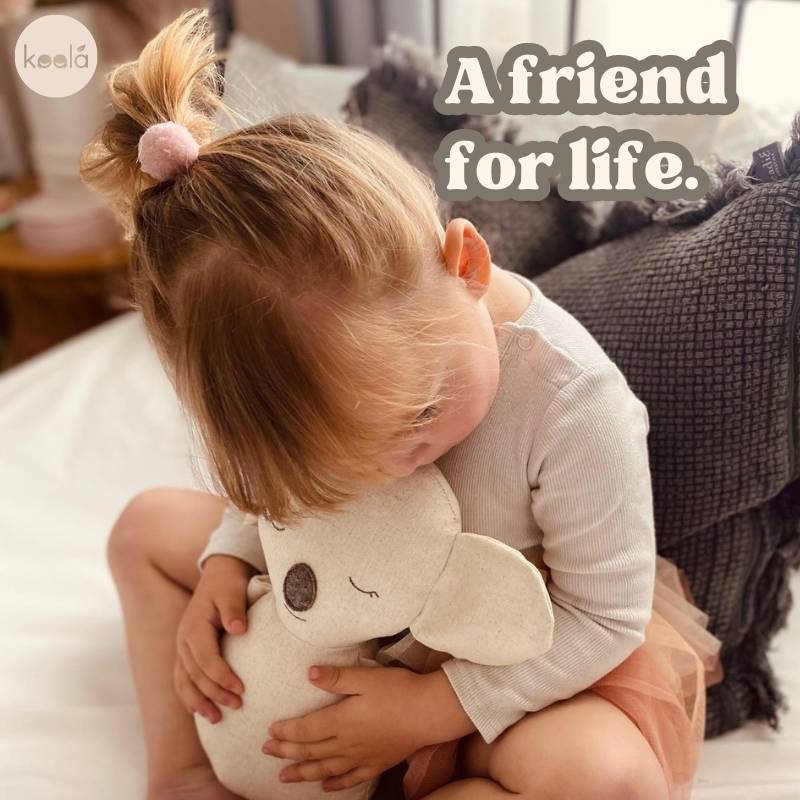
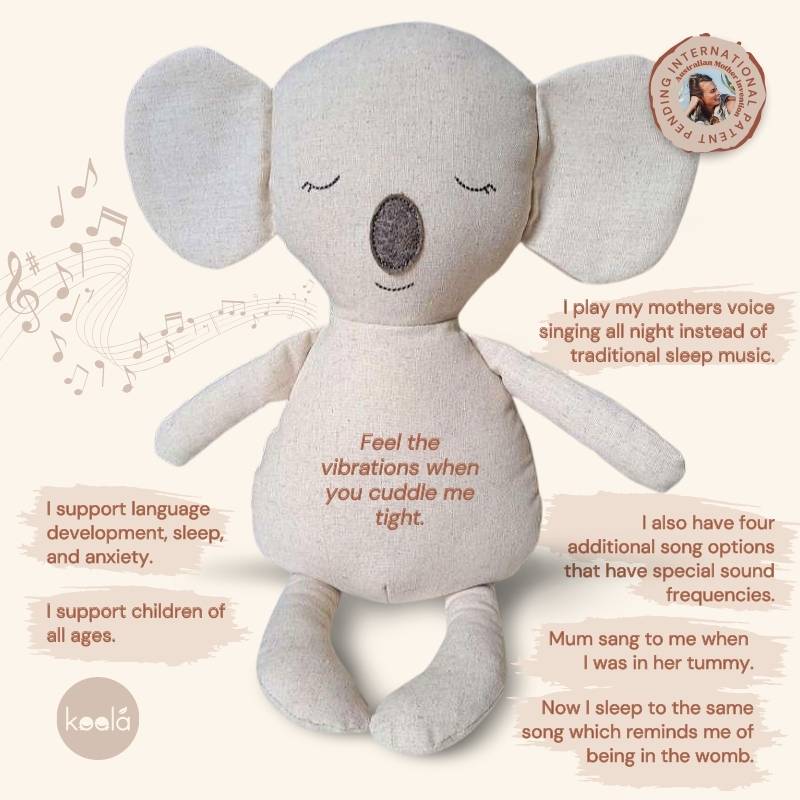

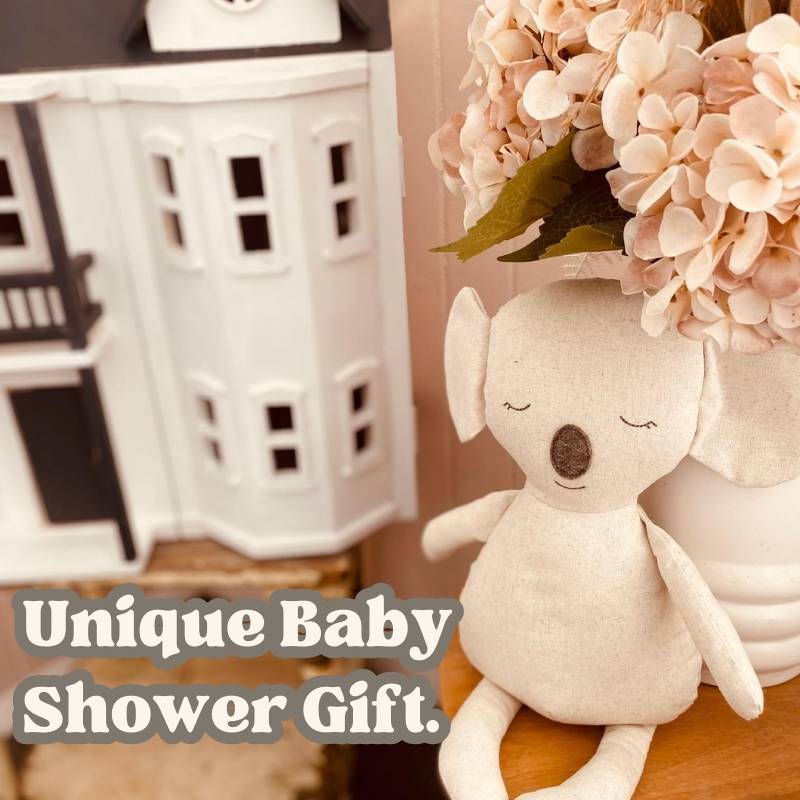
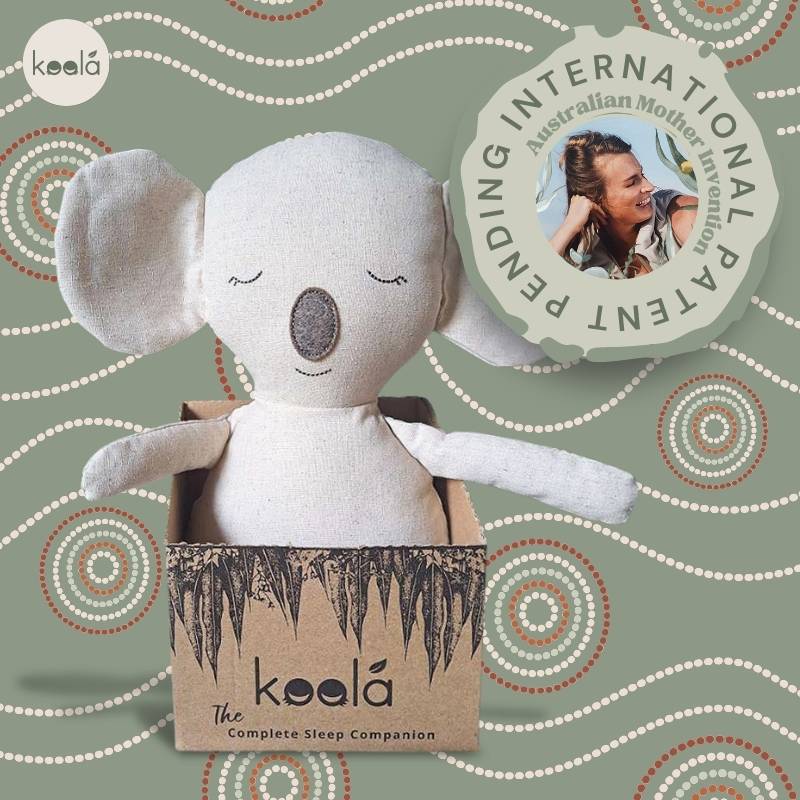
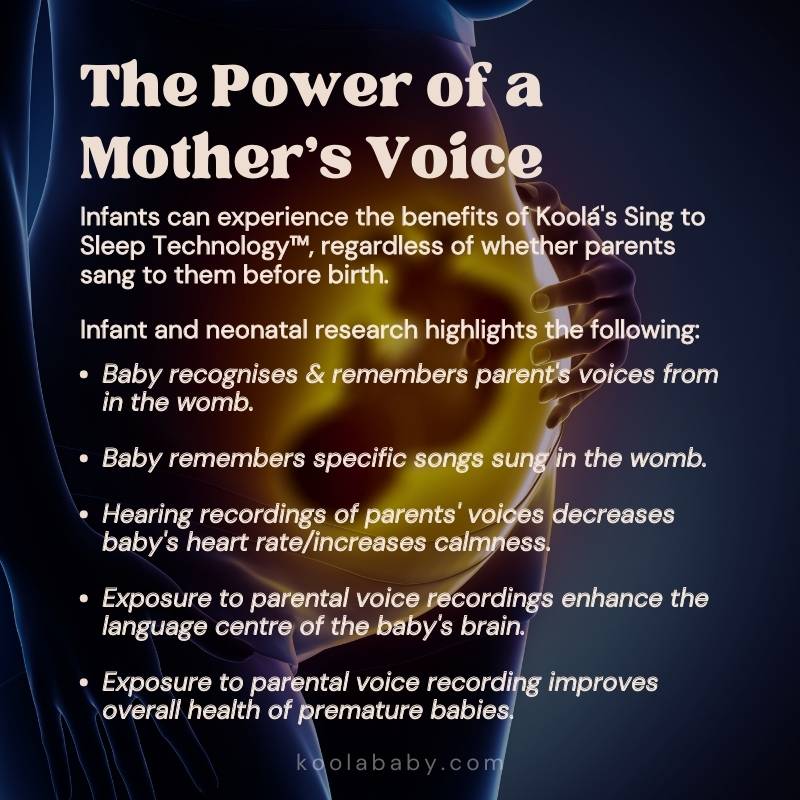
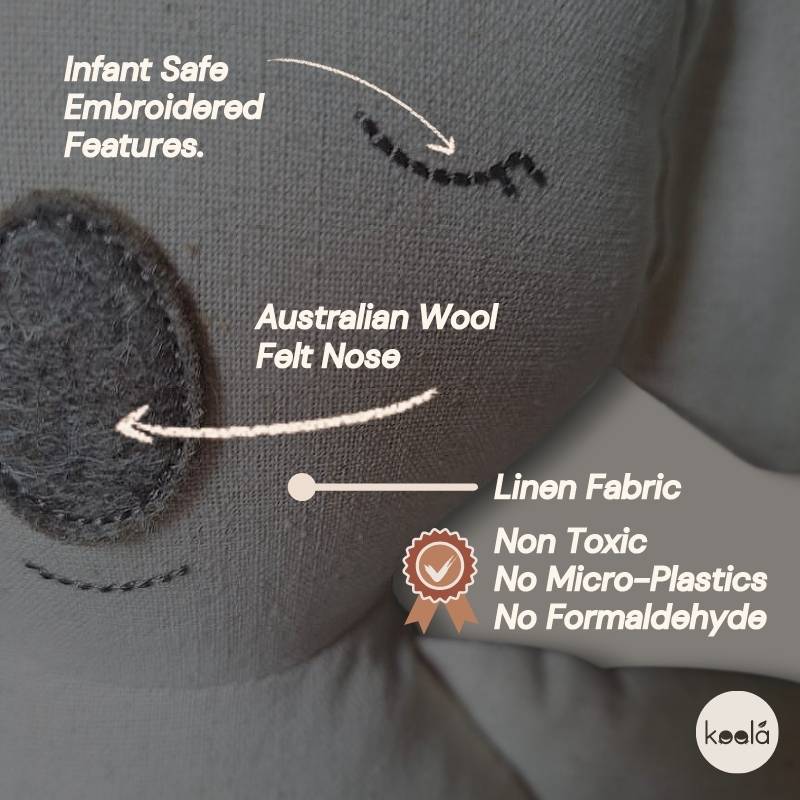

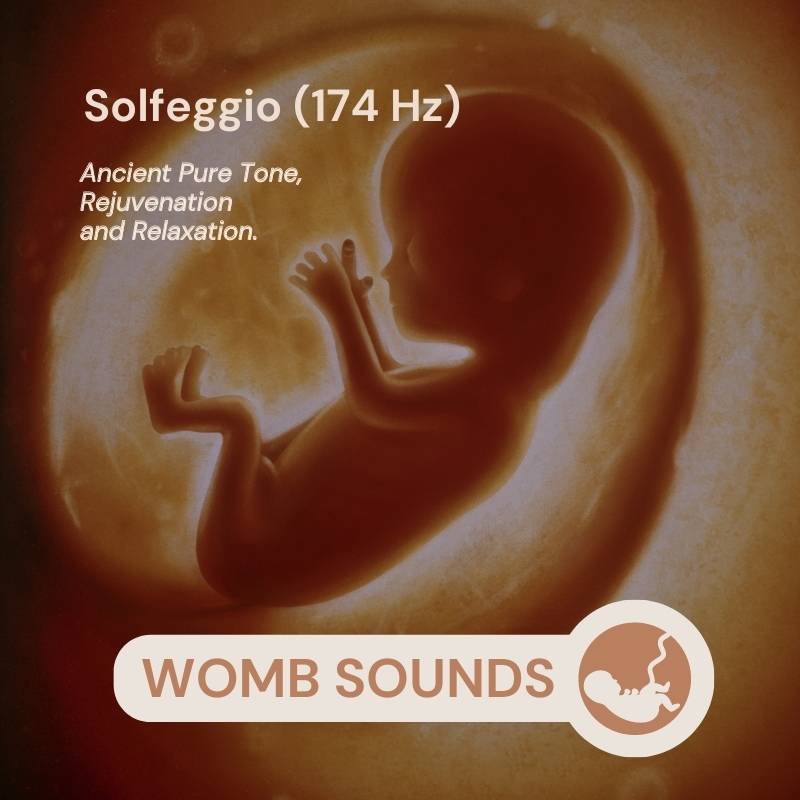
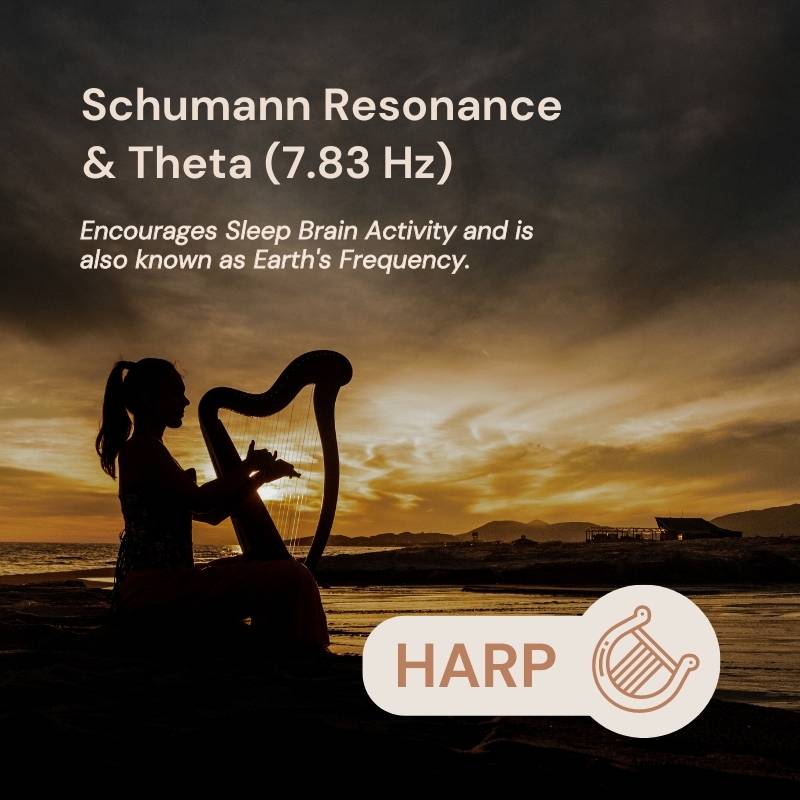
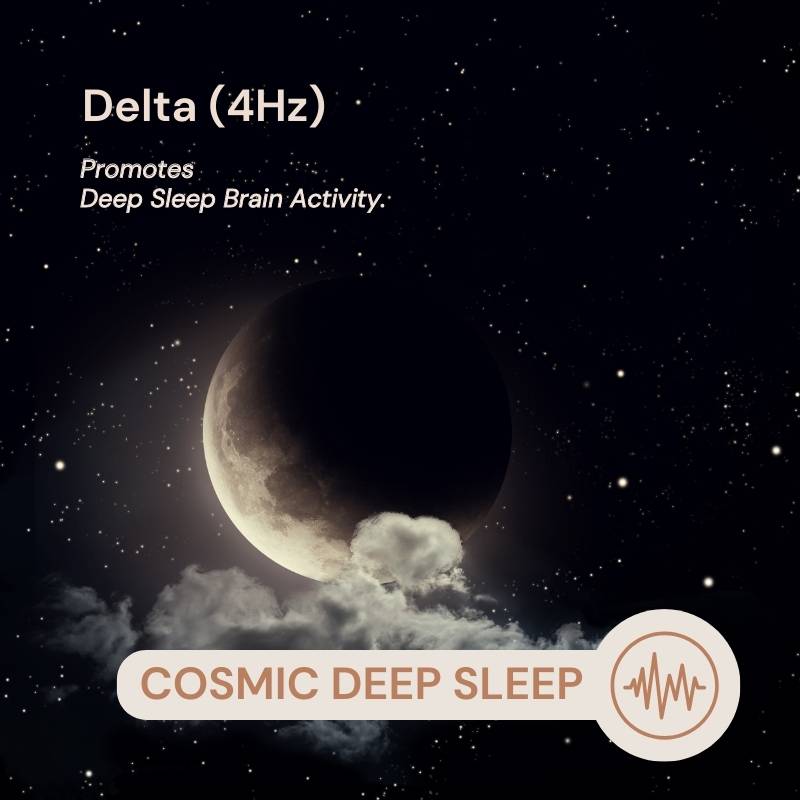
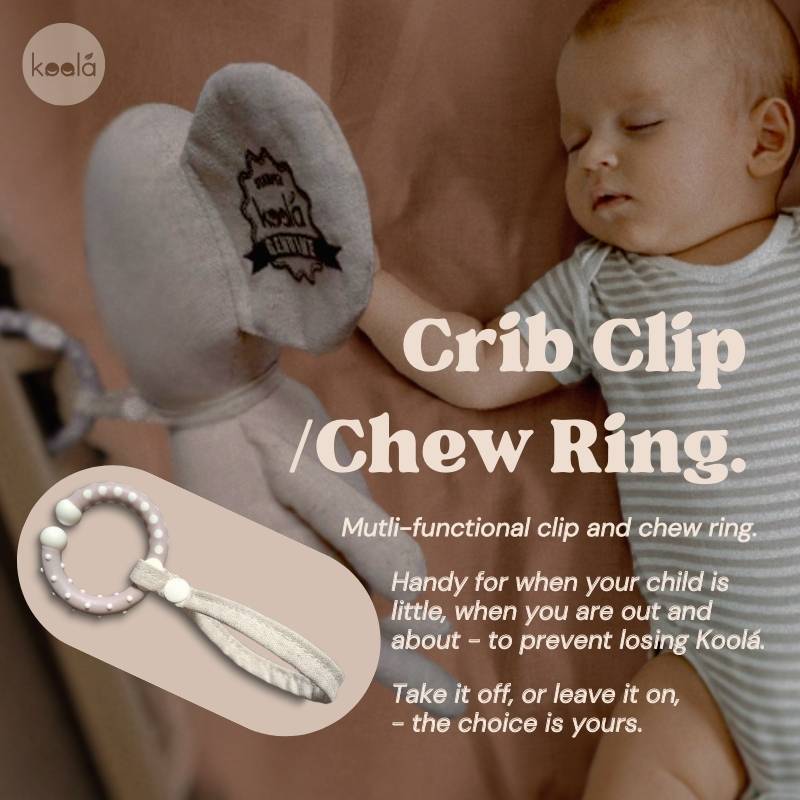
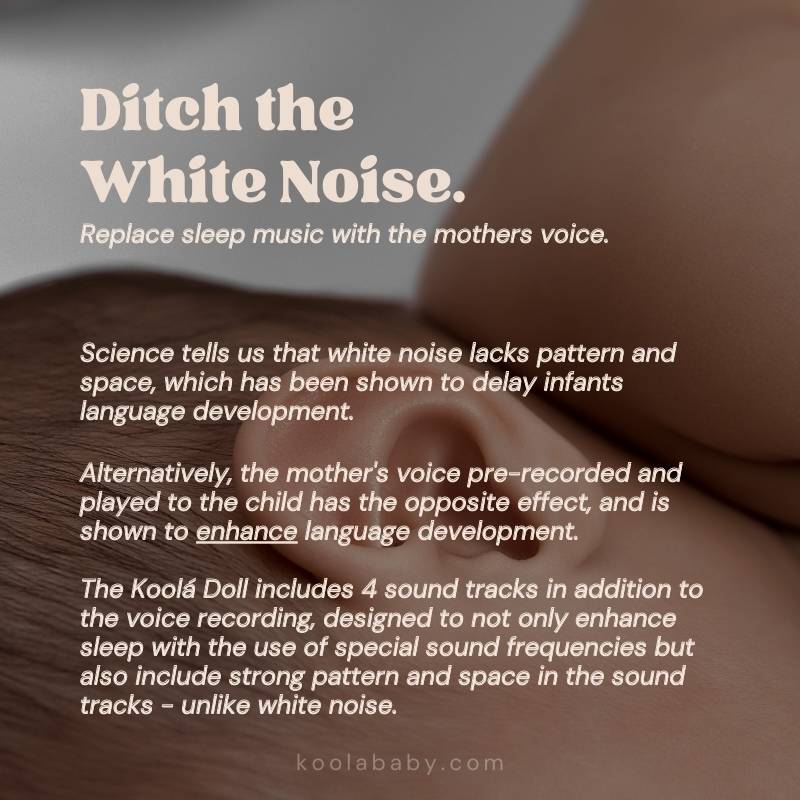
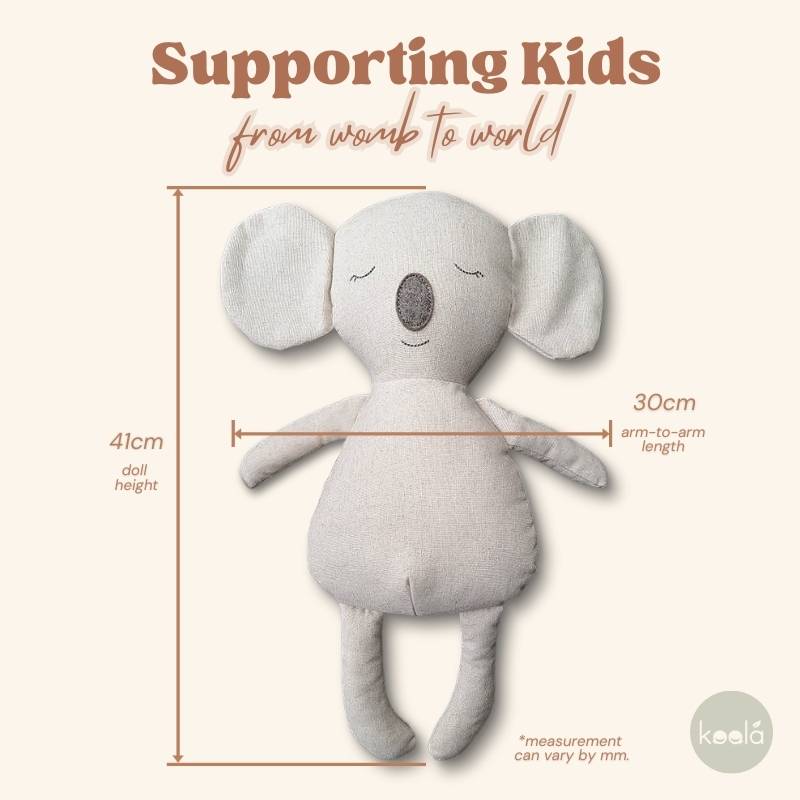
The Koolá™ Doll: More than a sleep aid, it’s a cherished companion that carries a piece of mum’s or dad’s love wherever it travels. With Koolá’s Sing-to-Sleep Technology™ and four bonus soundtracks, this innovative toy is inspired by neuroscience and designed to enhance sleep and nurture child development. Made with durable natural linen and an Australian wool felt nose, this baby keepsake is designed to be loved and cherished for years to come.

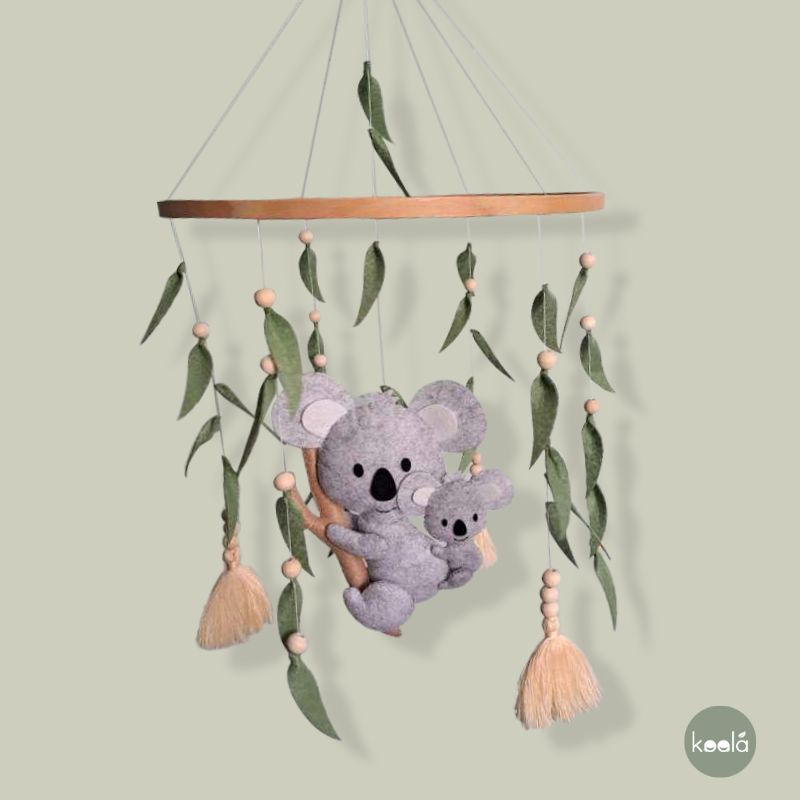
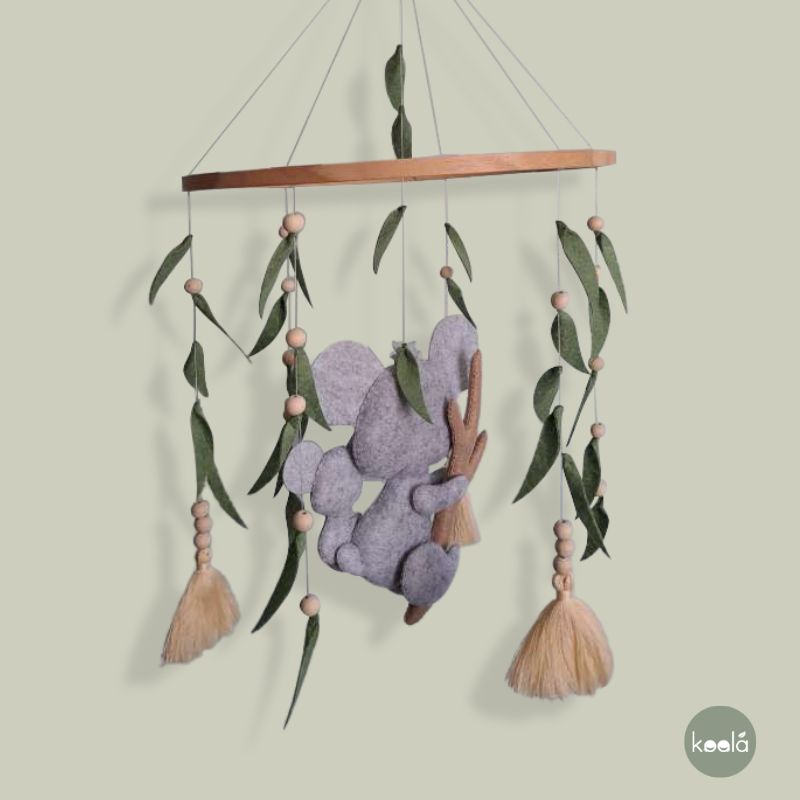

Introducing our charming Baby Mobile, the perfect addition to any nursery decor. This exquisite Felt Koala Mobile brings an Australian touch to your little one’s space, offering a delightful blend of elegance and modernity. Handmade with love, this mobile features a captivating design that showcases a mother and baby koala surrounded by Earthy felt green eucalyptus gum leaves. The natural tassels and wooden beads add a touch of rustic charm to this gender-neutral masterpiece.

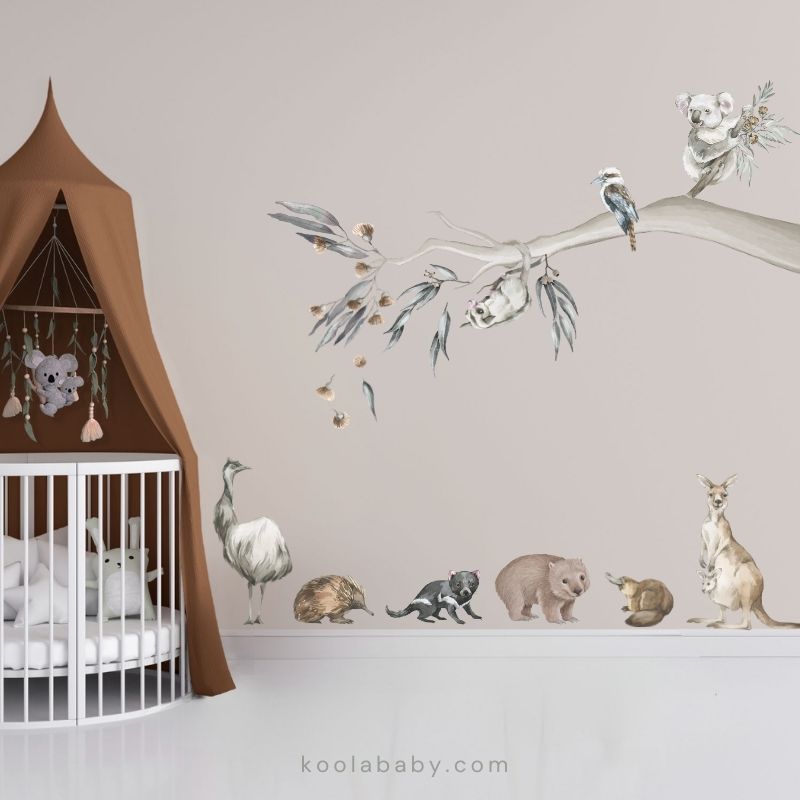
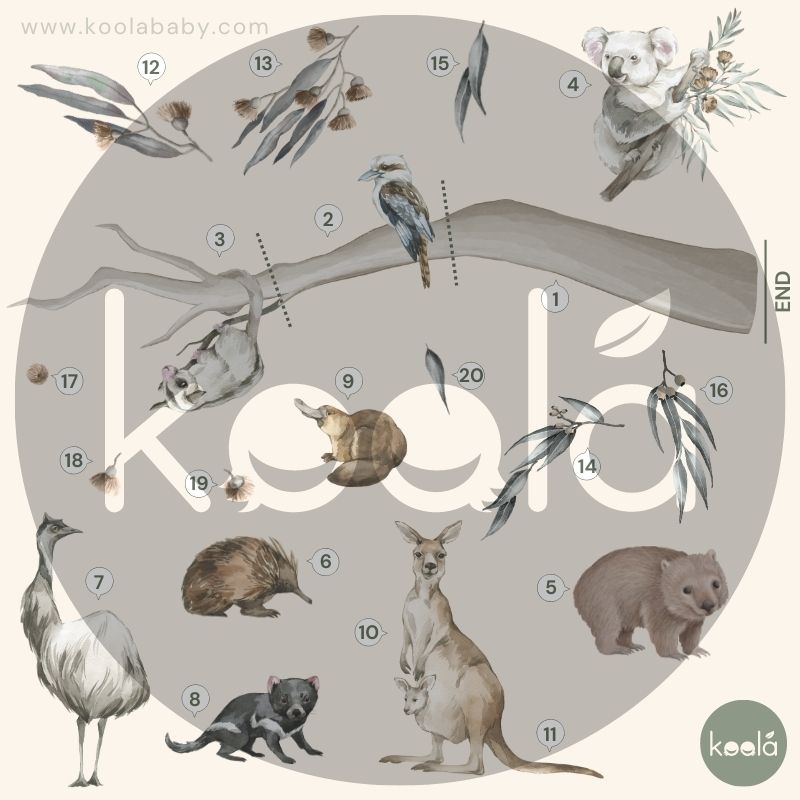
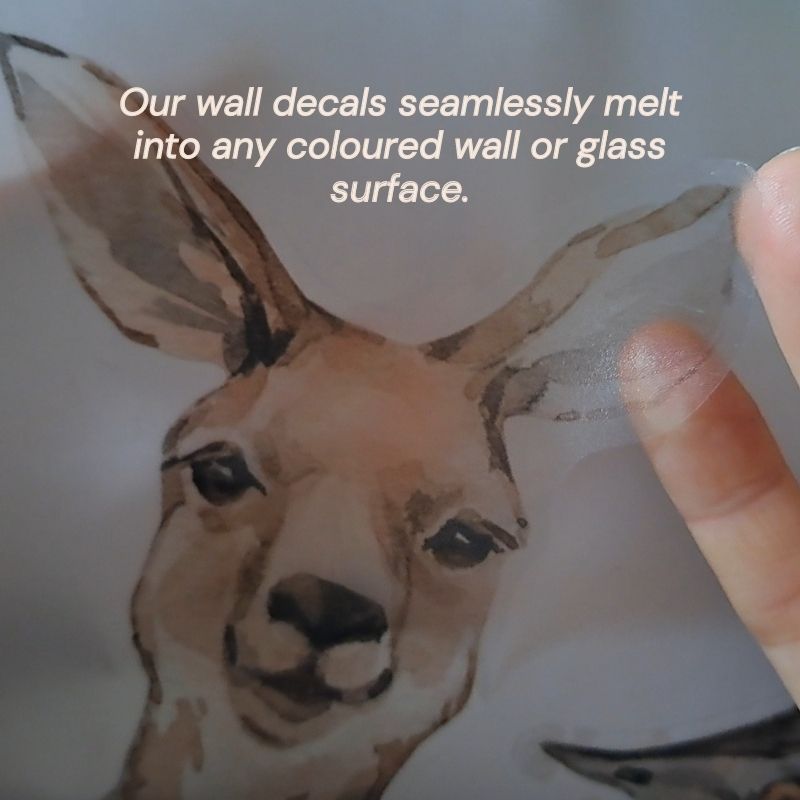
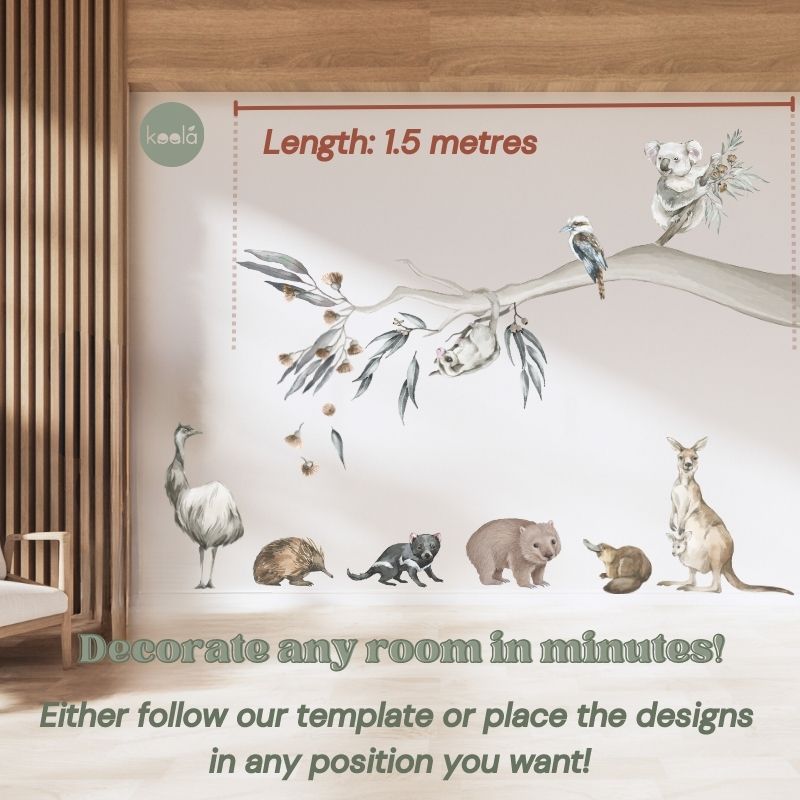
Bring the wonders of the Australian wilderness into your home with our captivating Wall Decal Sticker Set. A great alternative to wall paper or framed wall prints. Create a sanctuary of joy and wonder for your children with our impressive decals. Perfect for a gender-neutral nursery or any Australia-themed room, these stickers add magic to any space. Let the beauty of Australian Natives and wildlife inspire your home styling. Whether it’s the joyful laughter of the Kookaburra or the cuddly charm of the Koala, these watercolour designs will stimulate imaginations and evoke the serenity of nature into any space.

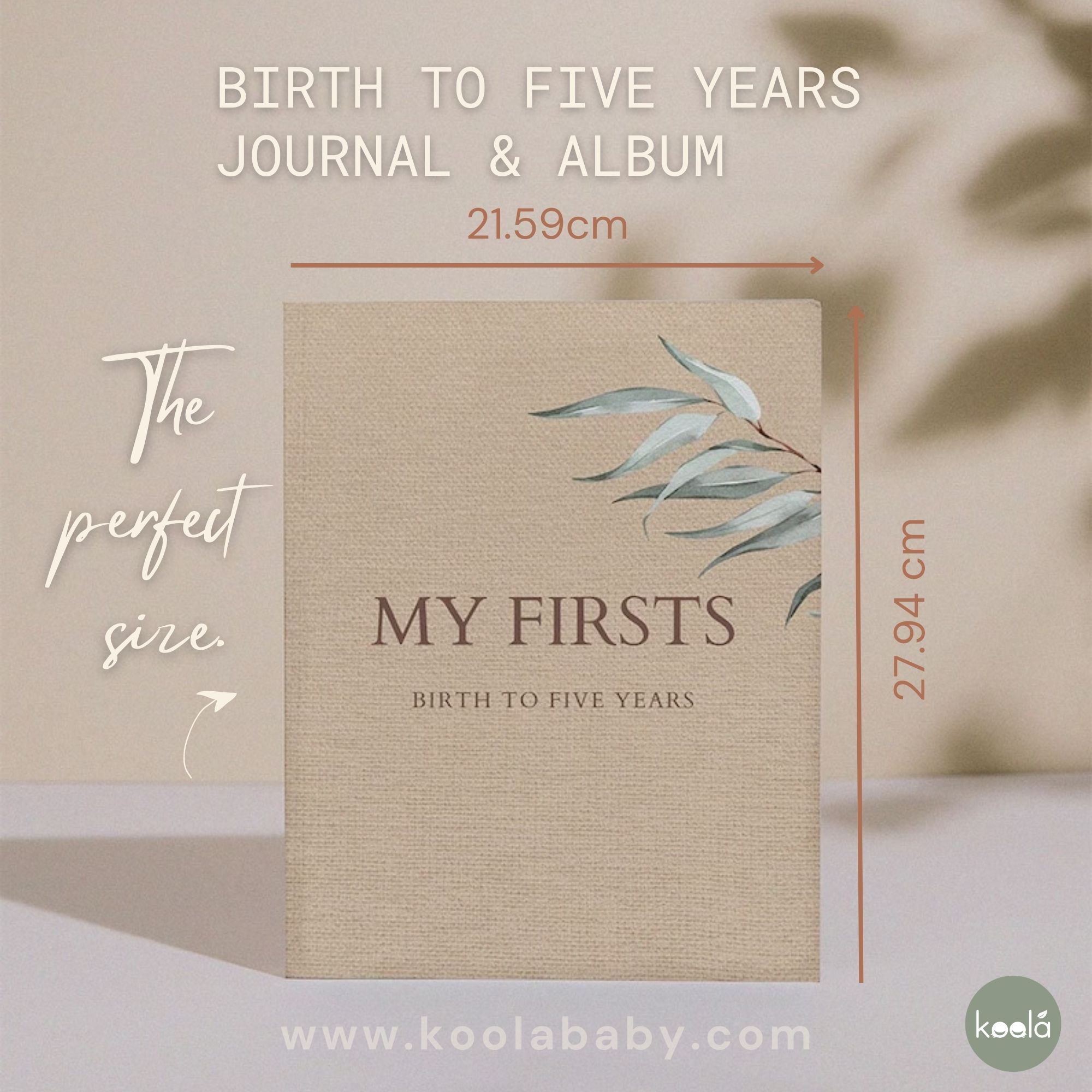
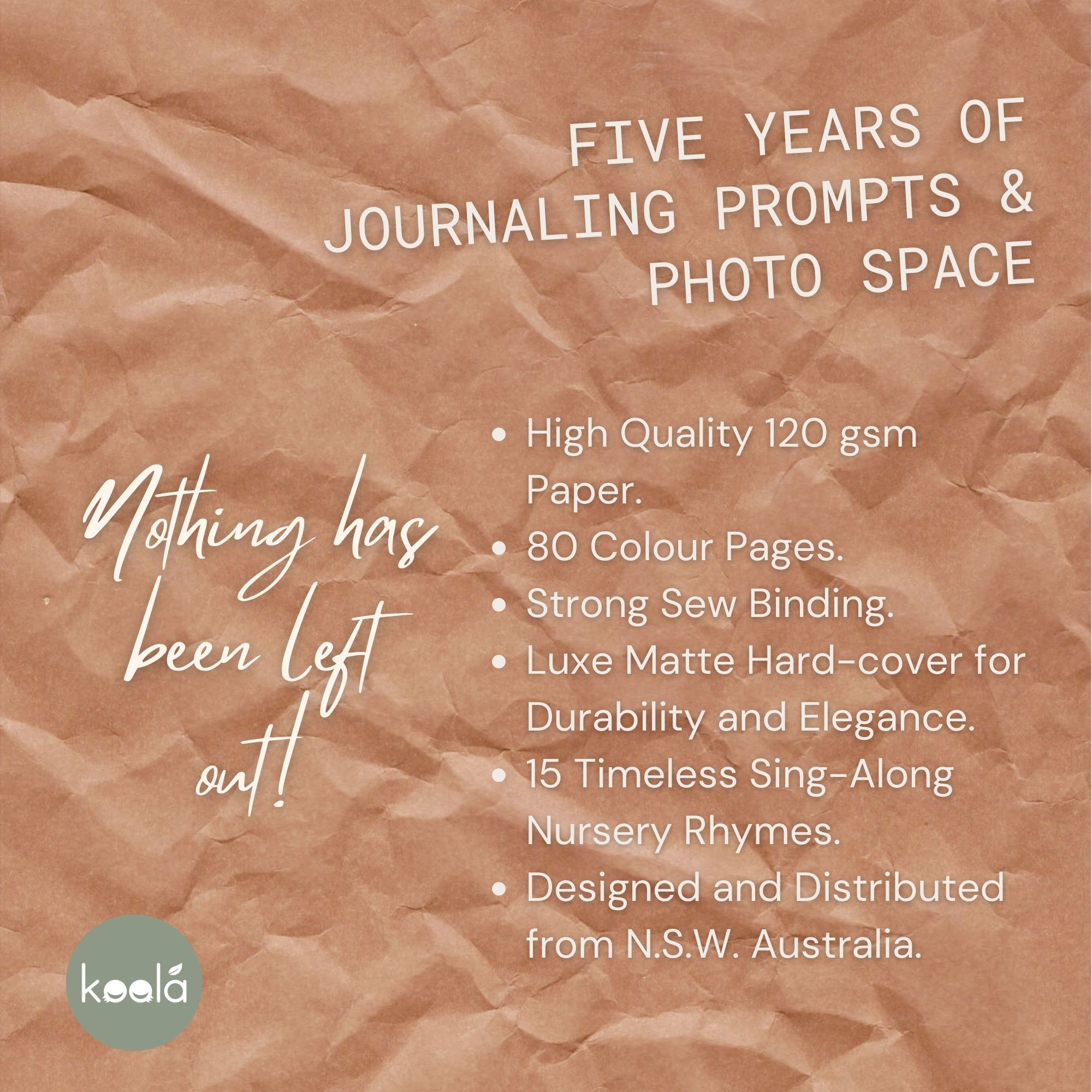
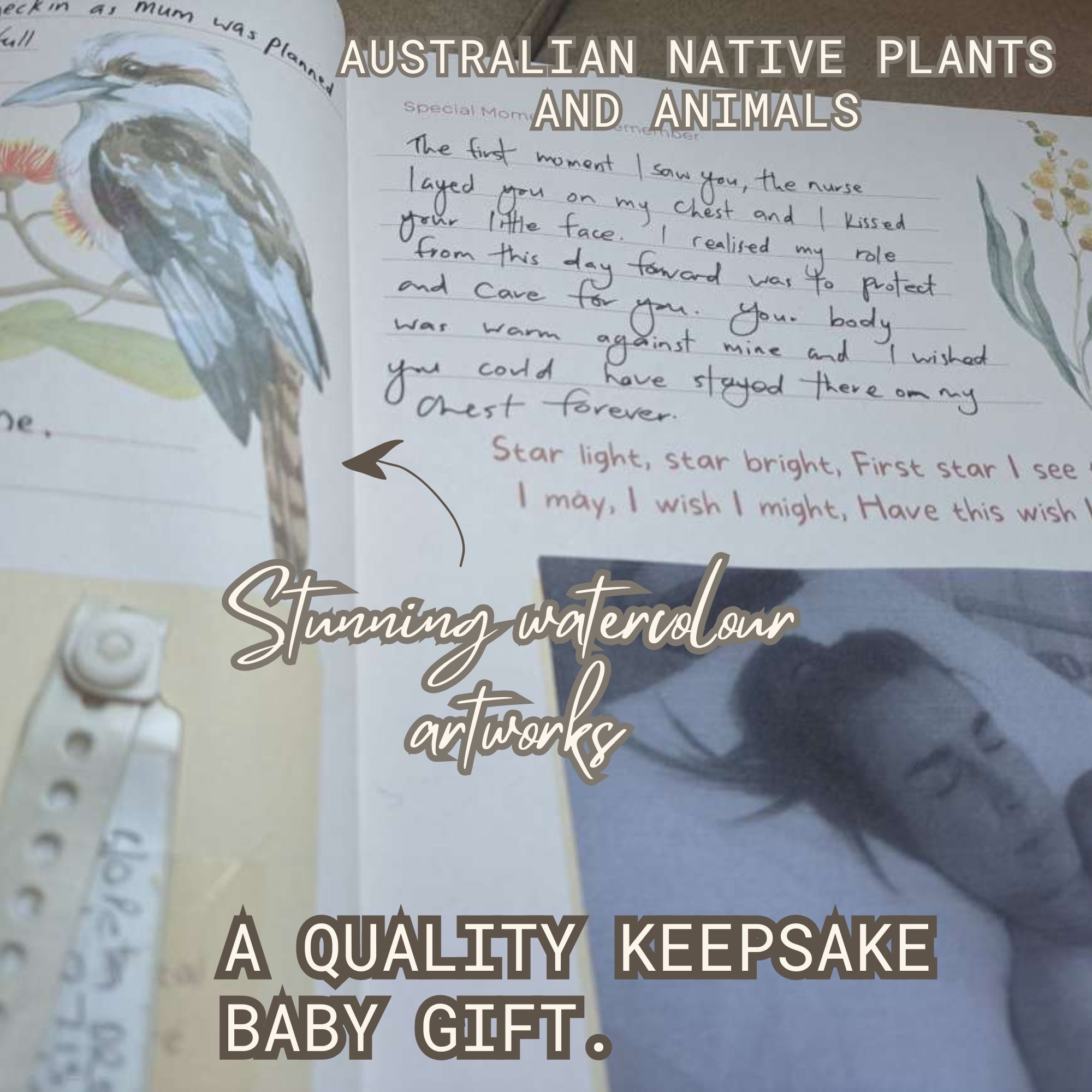
Capture the entire journey from before your baby’s birth with heartfelt letters, ultrasound snapshots, and imprints of their tiny hands and feet. Safeguard their first hospital bracelet, record every joyous occasion, achievement, and present, and so much more – this comprehensive book encompasses all your needs. With generous photo spaces, you can effortlessly chronicle your child’s development, crafting an enduring visual narrative to cherish indefinitely. Moreover, the volume incorporates a dedicated family tree segment to honor your child’s forebears, along with timeless nursery rhymes for shared reading and singing. Elevate your parenting experience by embracing this exceptional baby journal today.

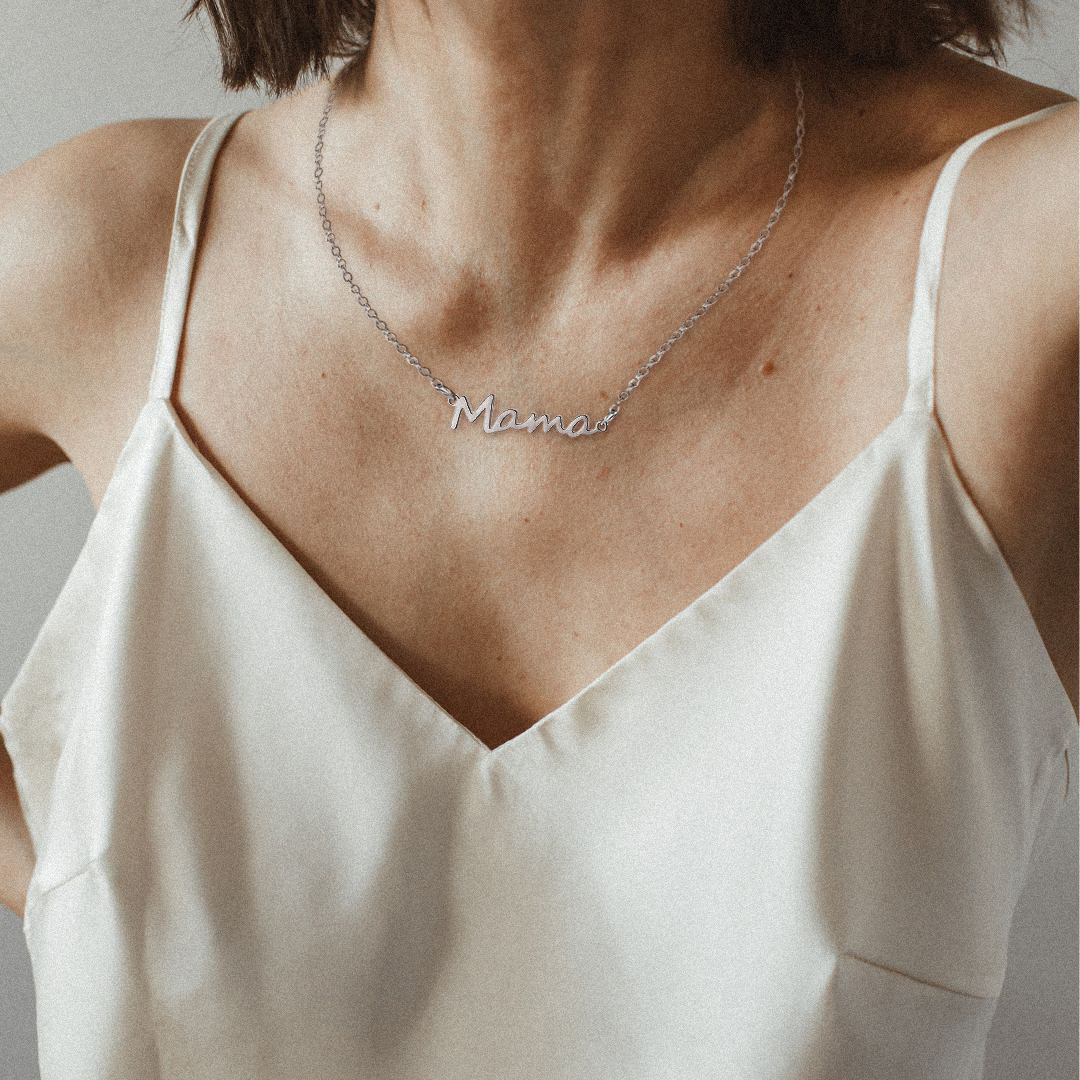
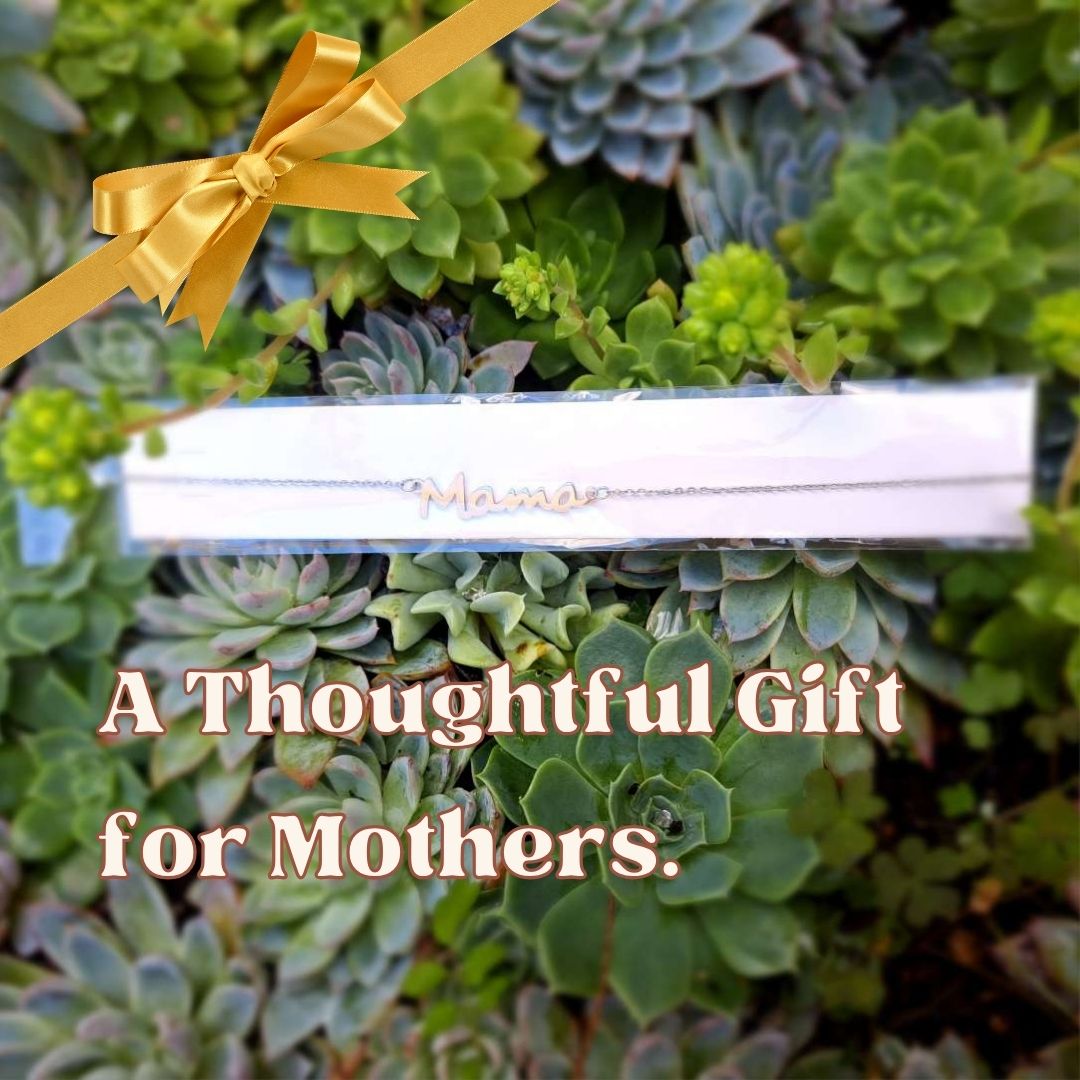


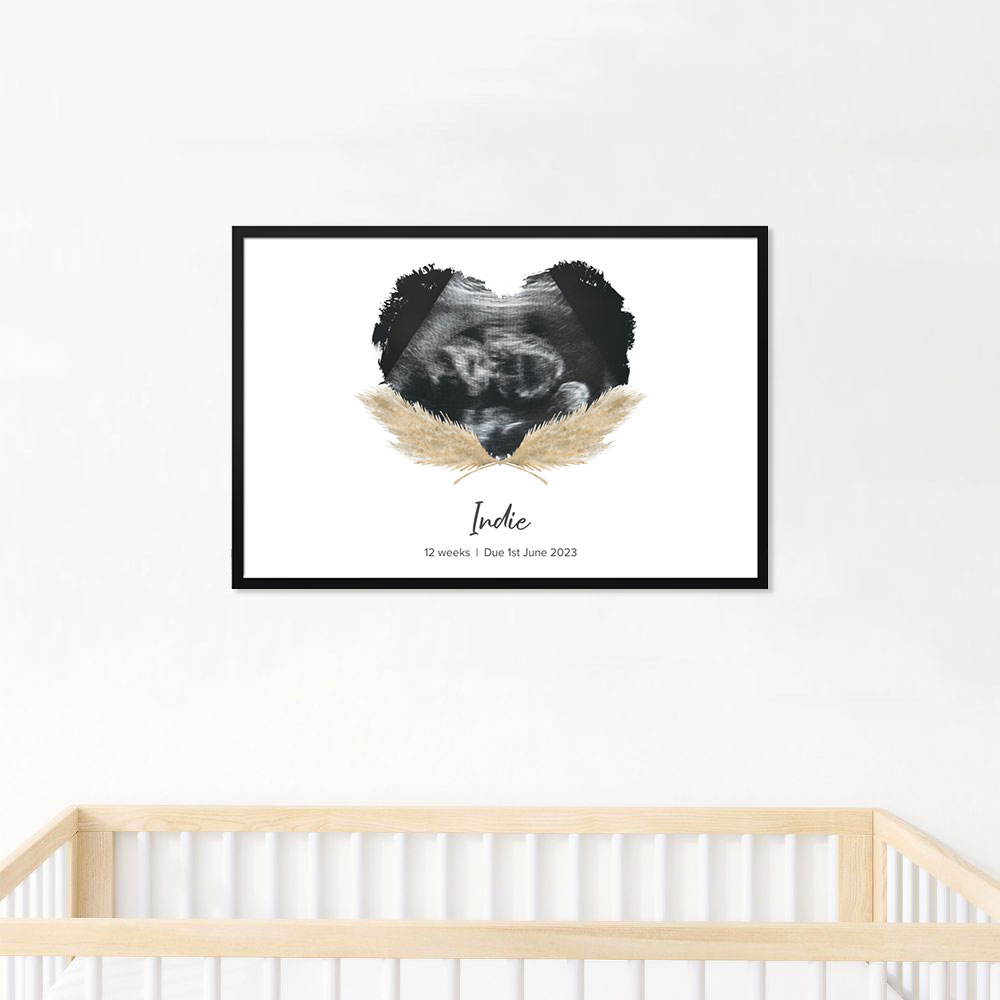
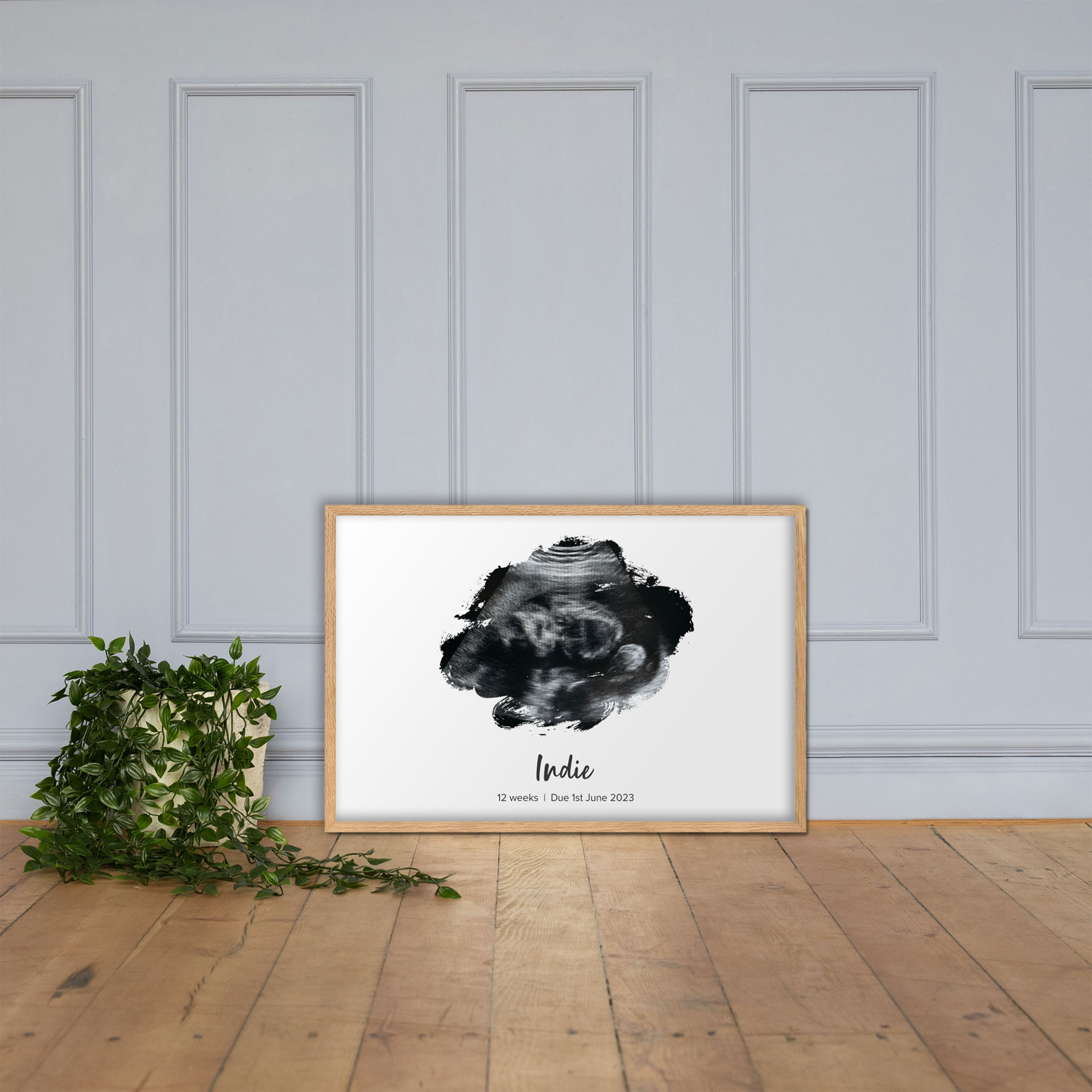
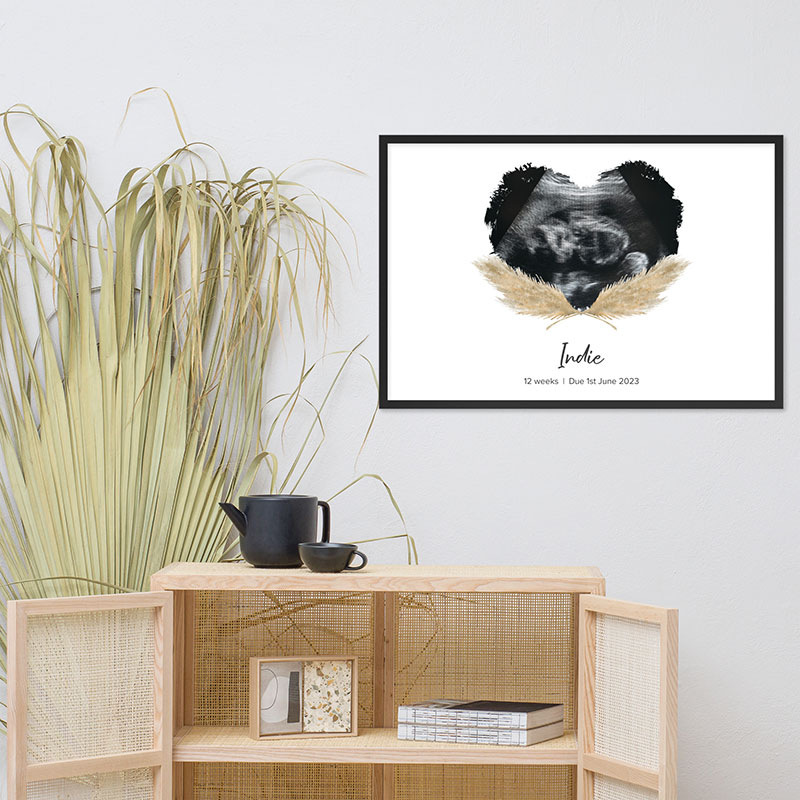
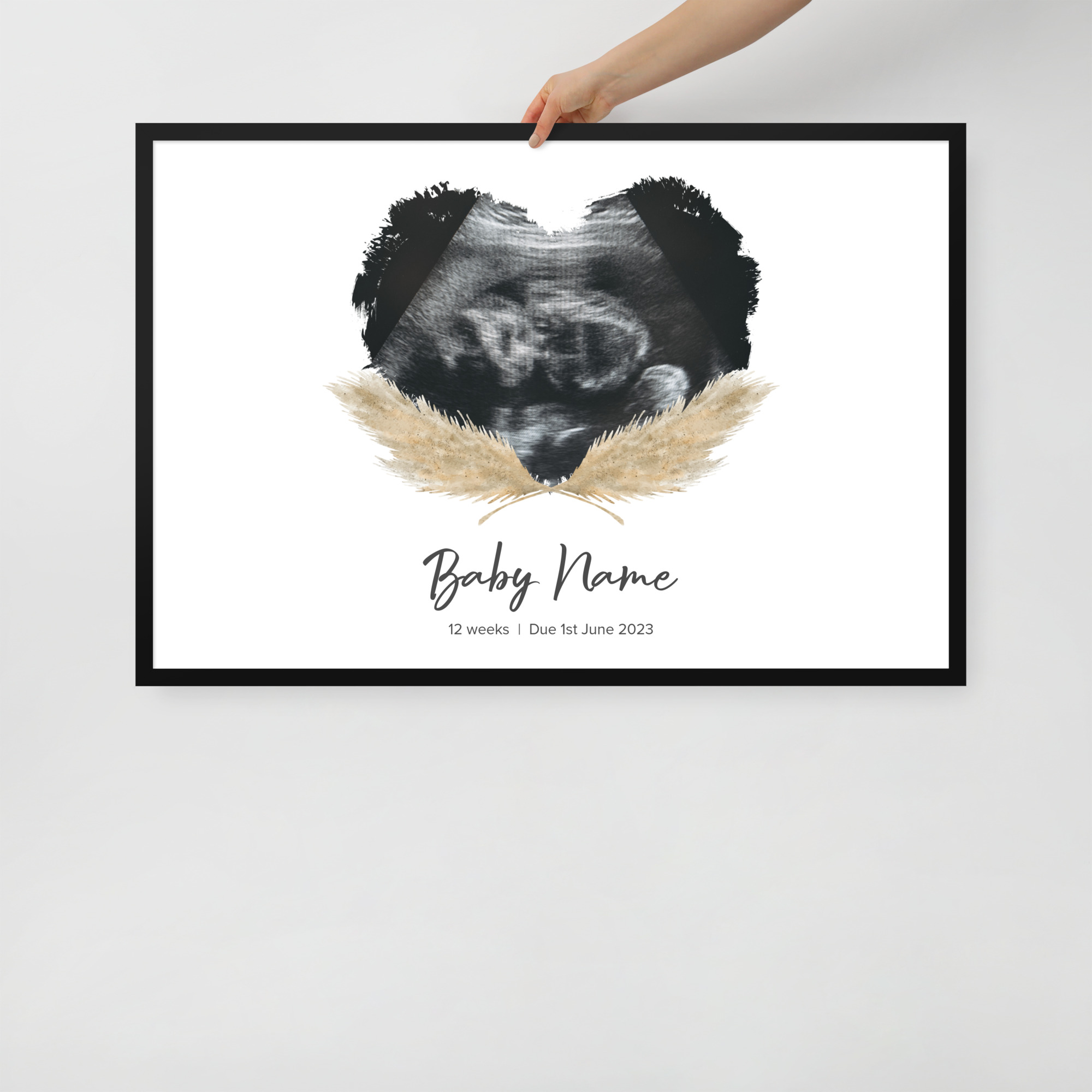
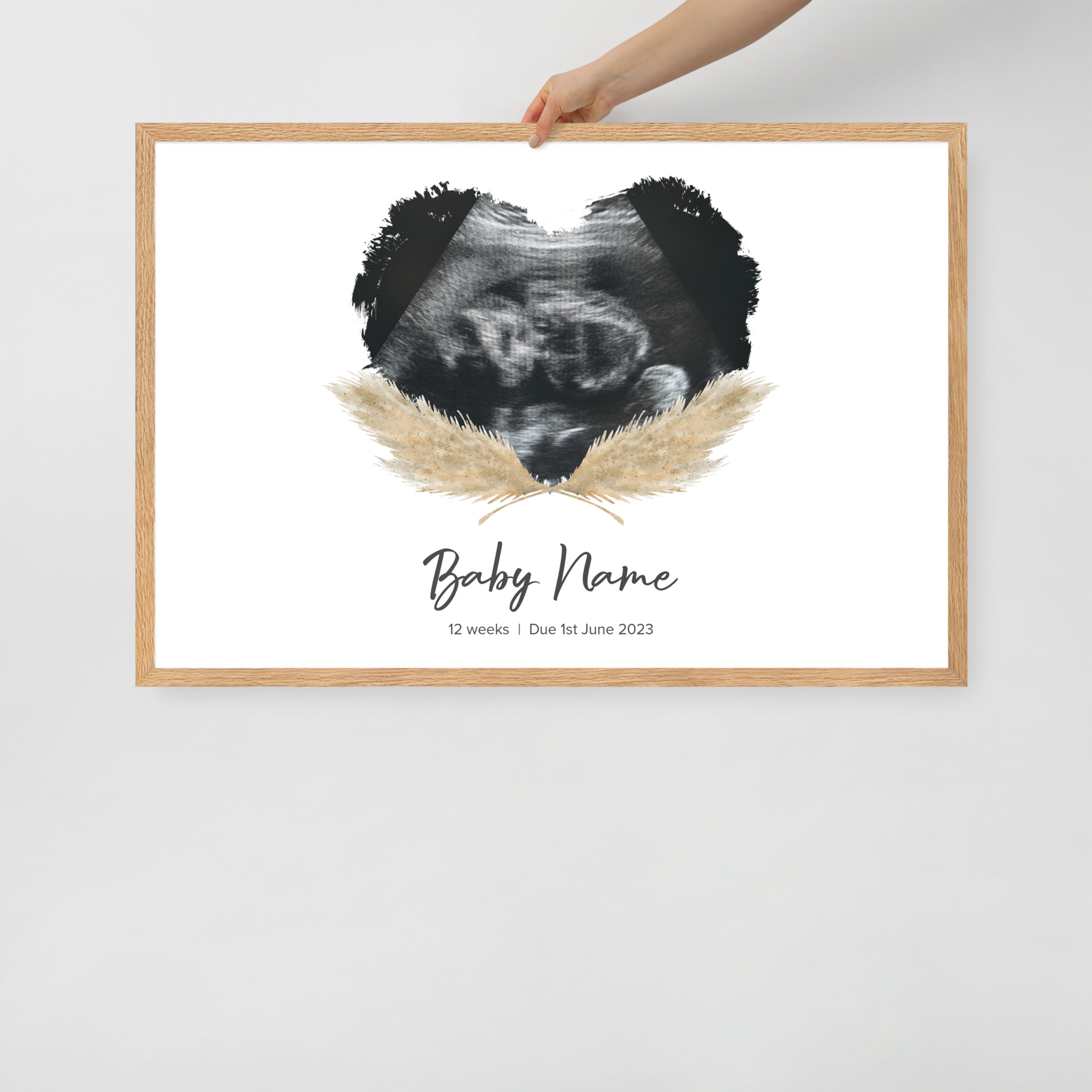
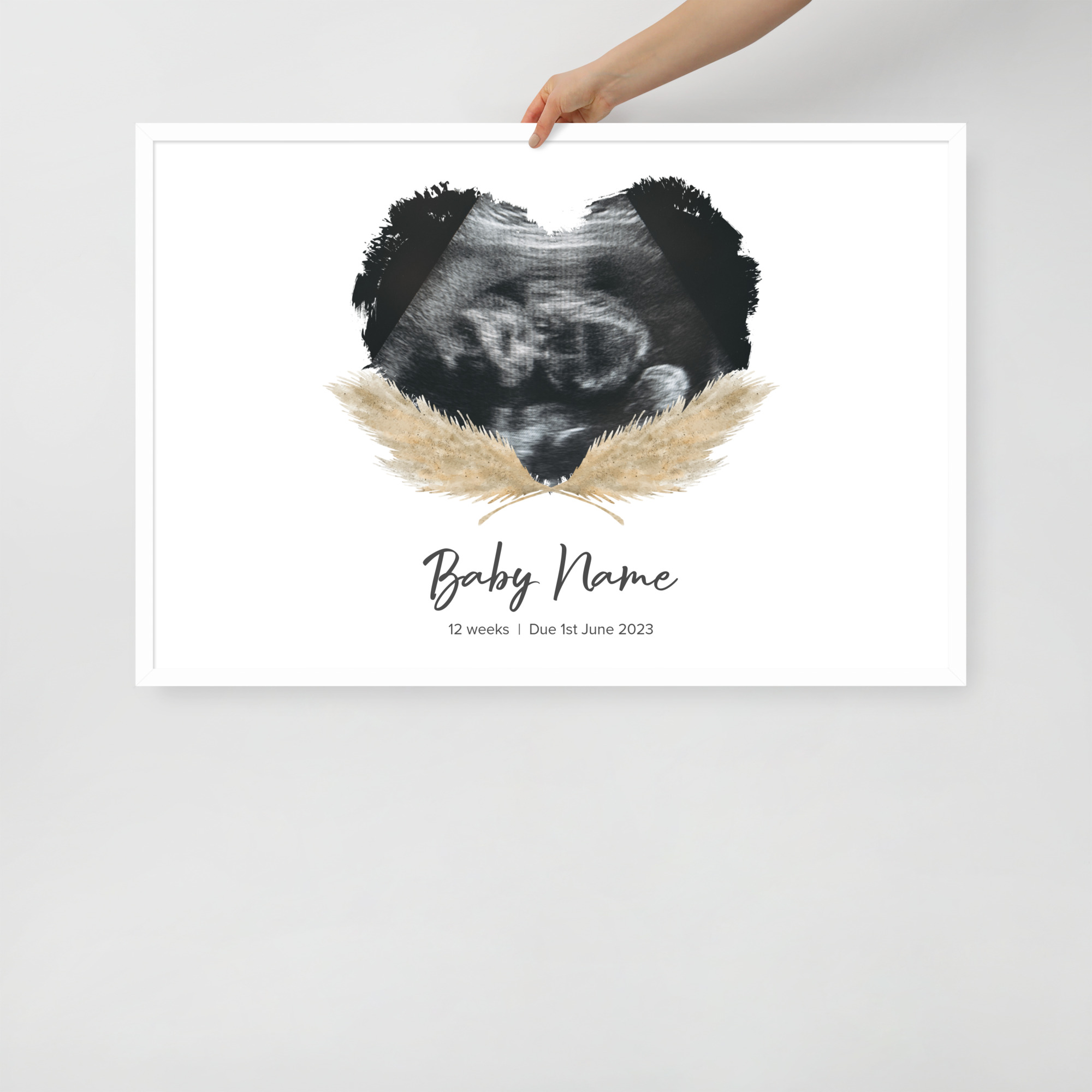
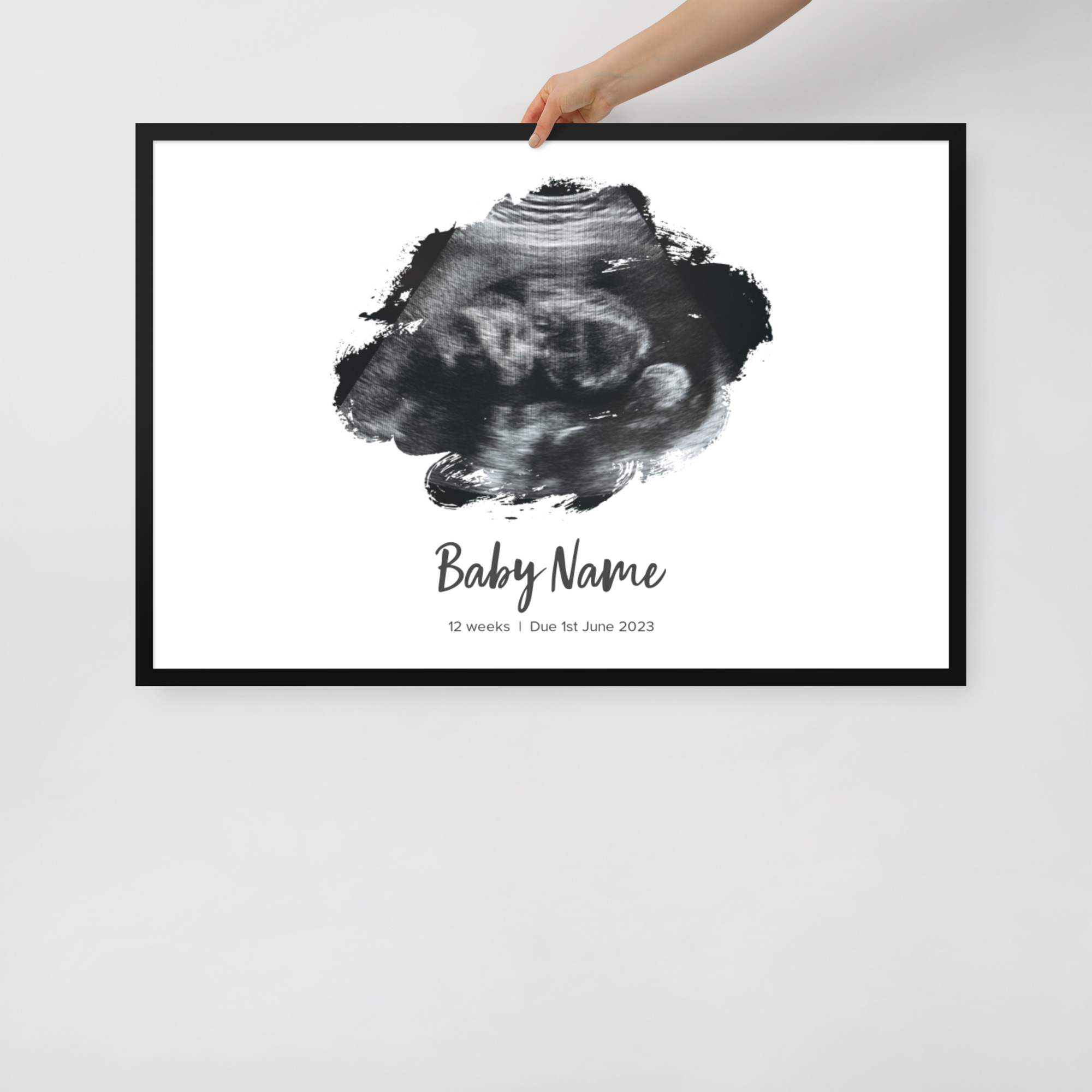
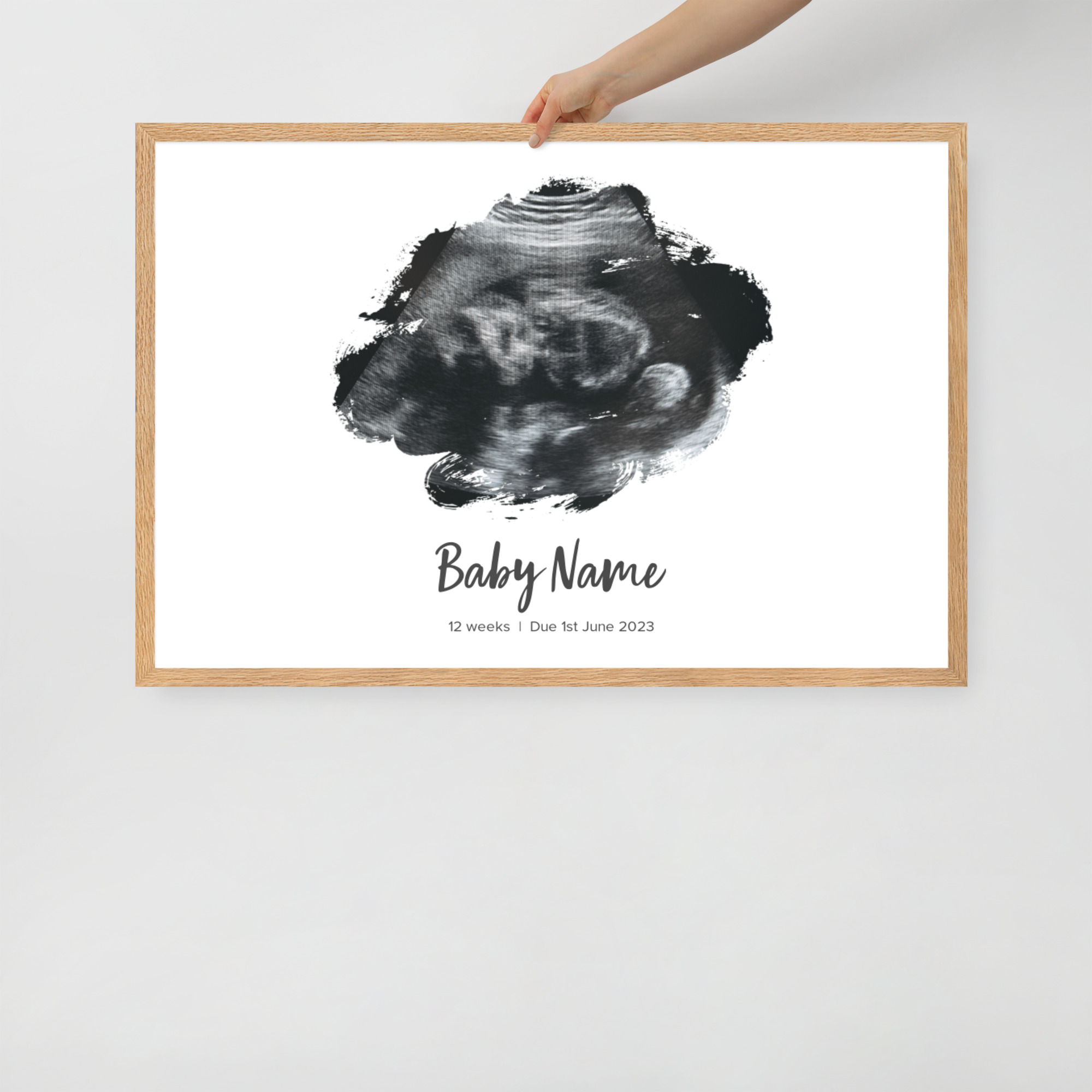
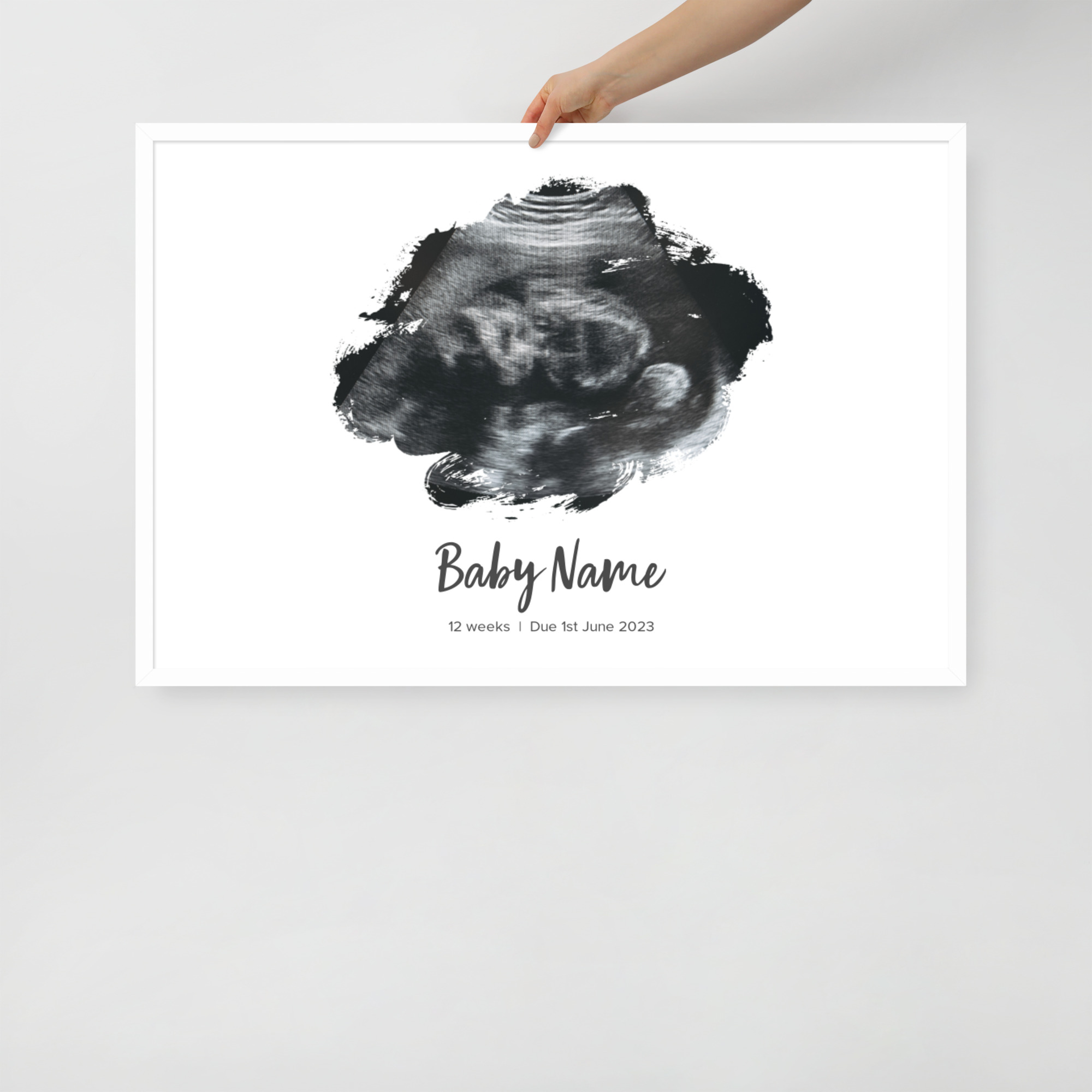
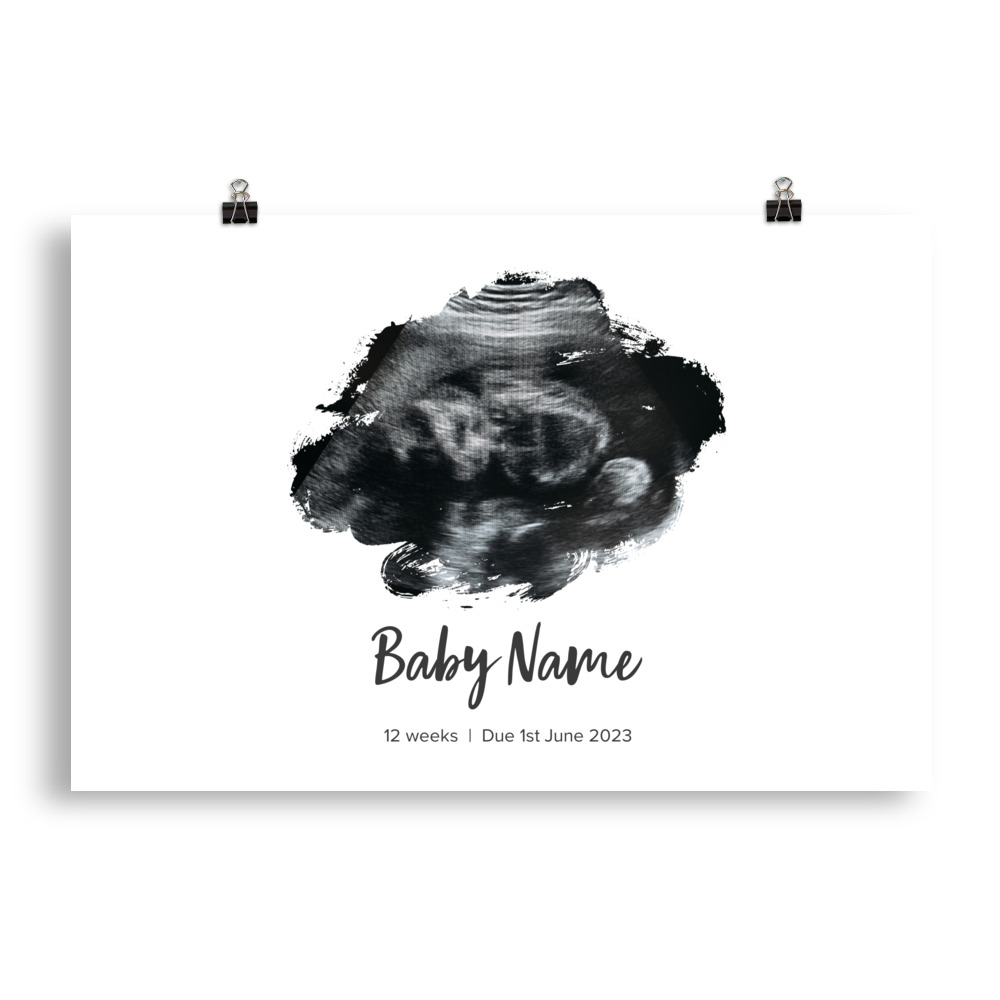
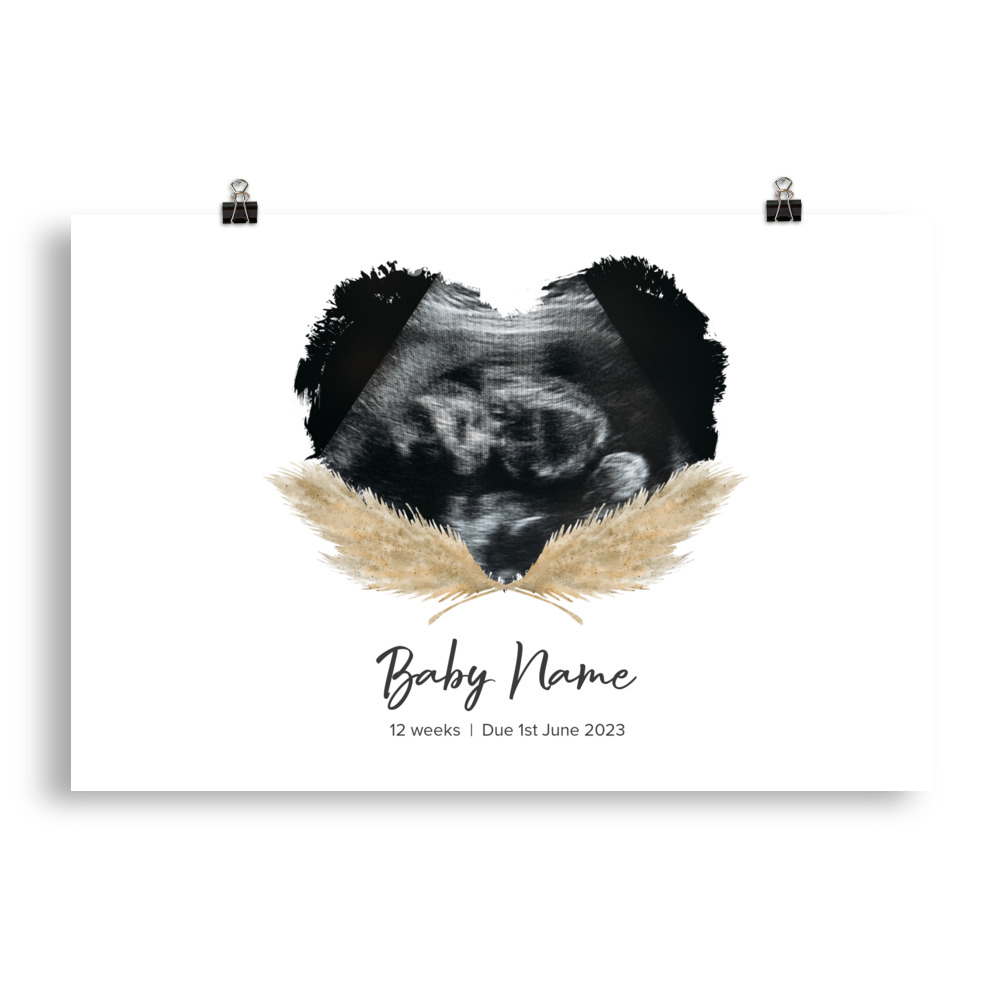
Celebrate the uniqueness of your child’s ultrasound with this personalised baby poster. It not only captures the cherished memories but also makes a statement as an artistic and meaningful decor piece in any nursery or alongside your nursery prints collection. The thoughtful design and sustainable manufacturing practices further enhance its value as a gift that will be treasured for years to come. Experience the joy of preserving and displaying your baby’s first moments with this Pregnancy Ultrasound Scan Poster with Frame. Order now and embrace this beautiful and sustainable way to celebrate the miracle of life in your nursery prints collection.

As a registered nurse and a third time mum and I thought I knew everything about baby sleep. This has really opened up my eyes and shown me the importance of the baby’s time in the womb. I am excited to see your invention change baby sleep for others.

